Most people don’t think about legal emergencies until they’re already in one. A missed payment, a dispute, or a misunderstanding can feel manageable at first, but certain situations escalate quickly into high-stakes problems. The difference between a minor inconvenience and a true emergency often comes down to timing, consequences, and your ability to respond effectively. Recognizing that shift early is critical to protecting your rights and minimizing long-term damage.
The reality is that most individuals are unprepared for sudden legal or financial crises. One moment, life feels manageable, and the next, they’re staring down a situation that has the potential to reshape everything: their freedom, their finances, their family, and their future. They lack a clear plan, don’t know who to call, and often underestimate how quickly situations can spiral. Without preparation, even a manageable issue can turn into something far more serious. This lack of readiness leads to rushed decisions, missed opportunities, and unnecessary exposure to risk.
Crisis competence is the ability to respond to unexpected legal or financial challenges with clarity, strategy, and control. It’s not about having all the answers upfront, but about knowing how to act in the moment and who to rely on. This guide is designed to help you build that competence so you can navigate high-pressure situations more effectively.
Recognizing When You’re Facing a True Legal or Financial Emergency
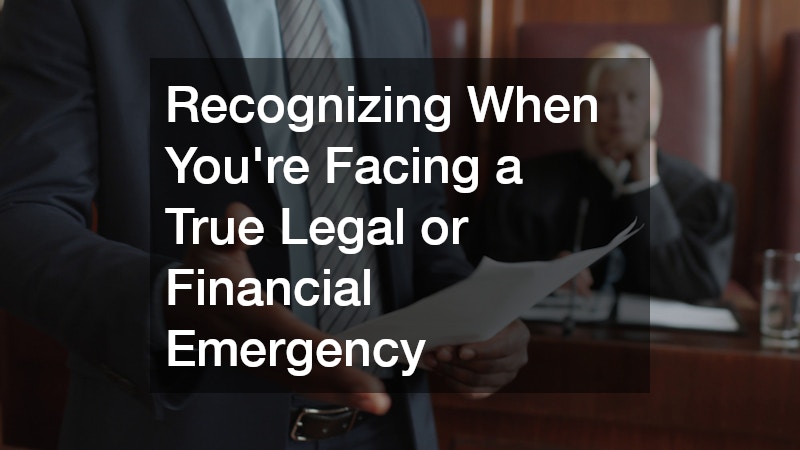
Not every legal issue requires immediate intervention, but some situations demand urgent attention. If you’re facing court deadlines, legal notices, or threats to your freedom, housing, or finances, it’s no longer something you can handle casually. These are indicators that your situation has escalated beyond simple solutions. Ignoring these signals often leads to more severe consequences.
Delaying action in legal and financial matters almost always increases the cost, both financially and strategically. Missed deadlines can result in default judgments, additional penalties, or lost rights. The longer you wait, the fewer options you may have available. Acting quickly preserves flexibility and strengthens your position.
A practical way to assess severity is to ask whether the issue could result in legal enforcement, financial loss, or personal harm. If the answer is yes, it’s time to treat the situation as an emergency. For example, being detained and needing to arrange bail is a clear indication that immediate legal action is required. Understanding this threshold helps you prioritize your response.
Signs that you’ve crossed into emergency territory include receiving a court summons with a near-term date, being placed under arrest or detained, facing imminent eviction, receiving notice of wage garnishment, or discovering that a loved one has died without any plan in place. These are not situations to research casually over the weekend. The cost of delayed action in legal matters is often irreversible. Deadlines are missed, evidence disappears, rights are waived, and once defensible positions become untenable. Before anything else, honestly assess whether what you’re facing demands immediate professional intervention
Stay Calm and Document Everything Immediately
The first 24 hours after a crisis often shape the outcome more than any other period. While emotions may run high, maintaining composure allows you to make better decisions and avoid compounding the problem. Panic can lead to mistakes that are difficult to reverse. Staying calm creates space for strategic thinking.
Documentation should begin immediately, even if the situation feels overwhelming. Write down timelines, collect correspondence, and take photos of anything relevant to your case. These details may seem minor at first, but they can become critical evidence later. Accurate records provide clarity and support your legal arguments.
This documentation becomes the foundation for your legal strategy. Whether you’re working with a personal injury lawyer or another specialist, the quality of your records directly impacts their ability to advocate for you. Organized information reduces guesswork and strengthens your case. In many situations, the difference between success and failure comes down to the details you preserve early on.
Understanding Your Rights Before You Say or Sign Anything
One of the fastest ways to turn a manageable crisis into an unmanageable one is to speak or sign before you understand what you’re agreeing to. This is true whether you’re dealing with law enforcement, an insurance adjuster, a landlord, or a creditor. In high-pressure situations, people often feel compelled to speak or sign documents quickly. This instinct can be costly, especially when you don’t fully understand the implications of your actions. Statements made without proper legal guidance can be used against you later. Pausing before responding is often the smartest move.
Many documents presented during a crisis are designed to resolve issues quickly, but they may also waive important rights. Settlement agreements, waivers, and acknowledgments can all carry long-term consequences. Signing without review can limit your options moving forward. It’s essential to understand exactly what you’re agreeing to before committing.
Knowing your rights shifts the balance of power in any legal situation. When you understand what others can and cannot require from you, you’re less likely to be pressured into unfavorable decisions. Consulting a qualified professional, such as a criminal defense lawyer, ensures that your actions are informed and strategic. This knowledge acts as a safeguard during uncertain moments.
Building Your Emergency Legal Team

When a crisis arises, one of your first priorities should be assembling the right legal support. Not all attorneys handle the same types of cases, so identifying the appropriate specialist is essential. This may involve researching credentials, reviewing case history, and evaluating communication style. Choosing wisely at this stage can significantly impact your outcome.
Initial consultations are an opportunity to assess whether an attorney is the right fit for your needs. Ask about their experience with similar cases, their approach to strategy, and their availability. Clear, direct answers are a good indicator of competence. You should also feel confident in their ability to represent your interests effectively.
Working with established law firms provides a structural advantage in many cases. These organizations often have access to broader resources, support staff, and specialized knowledge. This infrastructure can improve efficiency and strengthen your overall position. In high-stakes situations, having a well-equipped team can make a measurable difference.
Navigating a Criminal or Civil Legal Crisis
Understanding whether your situation falls under criminal or civil law is critical. Criminal cases involve potential penalties such as fines, probation violations, or incarceration, while civil cases typically focus on financial compensation or disputes between parties. The distinction determines your legal strategy and the type of representation you need. Misclassifying your situation can lead to ineffective decision-making.
Sudden arrests, accusations, or lawsuits require immediate attention. Delays can result in lost evidence, missed deadlines, or weakened defenses. Acting quickly allows your legal team to build a stronger case and respond proactively. Time is often one of the most valuable resources in these situations.
The nature of the charge or claim directly influences your legal path. Different cases require different expertise, procedures, and timelines. Understanding these nuances helps you align your actions with the demands of your case. A tailored approach increases your chances of a favorable outcome.
When Financial Collapse Becomes a Legal Matter
Financial challenges can quickly evolve into legal problems when obligations go unmet. Unpaid debts, foreclosures, and creditor actions can trigger formal proceedings. What begins as a financial issue can soon involve courts and legal enforcement. Recognizing this transition is essential to taking timely action.
These crises often stem from a lack of long-term planning. Without safeguards in place, unexpected events can create cascading financial failures. Proactive measures, such as consulting an estate planning attorney, can help protect assets and establish contingency plans. Planning ahead reduces vulnerability to sudden disruptions.
When financial pressure becomes overwhelming, legal solutions may provide a path forward. Filing for protection with a bankruptcy attorney can help restructure or eliminate certain debts. This step is not a failure, but a strategic decision to regain control. Acting before the situation becomes irreversible is key to preserving future stability.
Housing, Immigration, and Benefits Crises Require Specialized Help
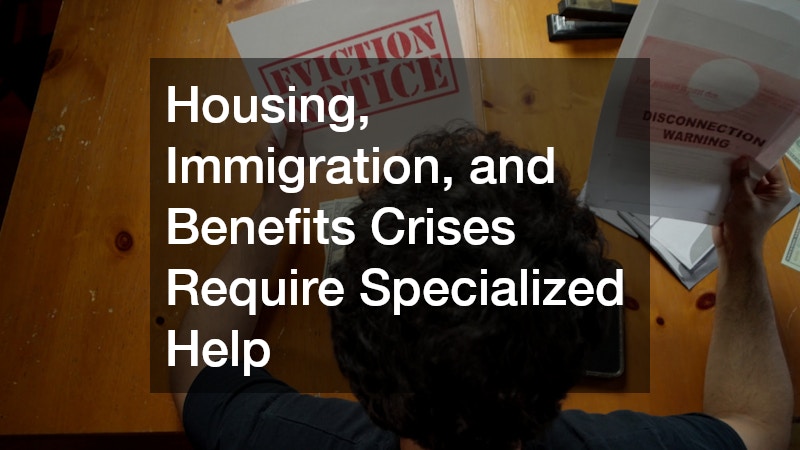
Certain legal issues carry particularly high stakes due to their impact on basic needs. Housing disputes, immigration status, and access to benefits can all affect your ability to maintain stability. These areas often involve complex regulations and strict deadlines. Missing a step can have lasting consequences.
When facing housing challenges, working with an eviction defense attorney can help you understand your rights and explore available options. Similarly, immigration matters require the guidance of a citizenship lawyer who understands the nuances of the system. For those dealing with health-related income disruptions, navigating social security disability claims requires specialized knowledge. Each of these areas demands focused expertise.
Accessing help can be challenging when financial resources are limited. Many organizations offer legal aid or reduced-cost services for qualifying individuals. Exploring these options early can provide critical support. Knowing where to turn ensures you’re not navigating these complex systems alone.
Managing the Emotional and Practical Toll of a Legal Emergency
Legal emergencies are not just logistical challenges—they are emotional ones as well. Stress, uncertainty, and fear can impair judgment and make it difficult to think clearly. Recognizing this impact allows you to take steps to mitigate it. Maintaining perspective is essential for effective decision-making.
Your support network can play a valuable role during this time. Friends and family can provide emotional stability and assist with practical tasks. However, it’s important to be mindful of what you share to avoid compromising your legal position. Keeping sensitive details within your legal team is often the safest approach.
Establishing daily routines can help maintain a sense of control while your case is ongoing. Simple actions like organizing documents, attending appointments, and tracking deadlines create structure. These habits reduce overwhelm and keep you focused on progress. Consistency becomes a stabilizing force during uncertainty.
Creating a Crisis Prevention Plan Before Disaster Strikes
Preparation is one of the most effective ways to reduce the impact of a legal emergency. Having essential documents in place ensures that you’re ready to respond quickly when needed. This includes contracts, financial records, and legal directives. Being organized allows you to act with confidence.
Proactive planning significantly reduces exposure to risk. Identifying potential vulnerabilities and addressing them in advance creates a stronger foundation. This approach minimizes the likelihood of being caught off guard. Prevention is often more effective than reaction.
Regular checkups of your legal and financial status help close gaps before they become problems. Reviewing your plans annually ensures they remain relevant and effective. Updating documents and strategies keeps you aligned with your current circumstances. Staying proactive is the cornerstone of long-term security.
Recovering and Rebuilding After a Legal or Financial Emergency
Recovery from a crisis is a process that unfolds over time. It involves stabilizing your situation, resolving outstanding issues, and rebuilding your financial and legal standing. Patience and persistence are essential during this phase. Progress may be gradual, but each step moves you forward.
Conducting a thorough review of what went wrong provides valuable insights. Identifying gaps in planning, communication, or decision-making helps prevent recurrence. This reflection turns a difficult experience into a learning opportunity. Applying these lessons strengthens your future resilience.
Transitioning from crisis mode to long-term stability requires a shift in mindset. Focusing on growth, preparation, and continuous improvement creates a more secure future. Building confidence in your ability to handle challenges is part of the recovery process. Over time, this resilience becomes a lasting asset.
Crisis competence is built on a foundation of awareness, preparation, and decisive action. Recognizing emergencies early, documenting effectively, and understanding your rights are essential components. Building a strong legal team and addressing issues proactively further strengthens your position. These elements work together to create a structured and effective response.
Taking even one proactive step today can make a meaningful difference in your future. Whether it’s organizing documents, researching legal resources, or scheduling a consultation, small actions build momentum. Preparation reduces uncertainty and increases confidence.
The most effective way to handle a legal emergency is to prepare before it happens. Consulting a qualified professional before you urgently need one gives you a significant advantage. Establishing these relationships early ensures you’re not starting from scratch in a crisis. In legal matters, timing and preparation are everything.